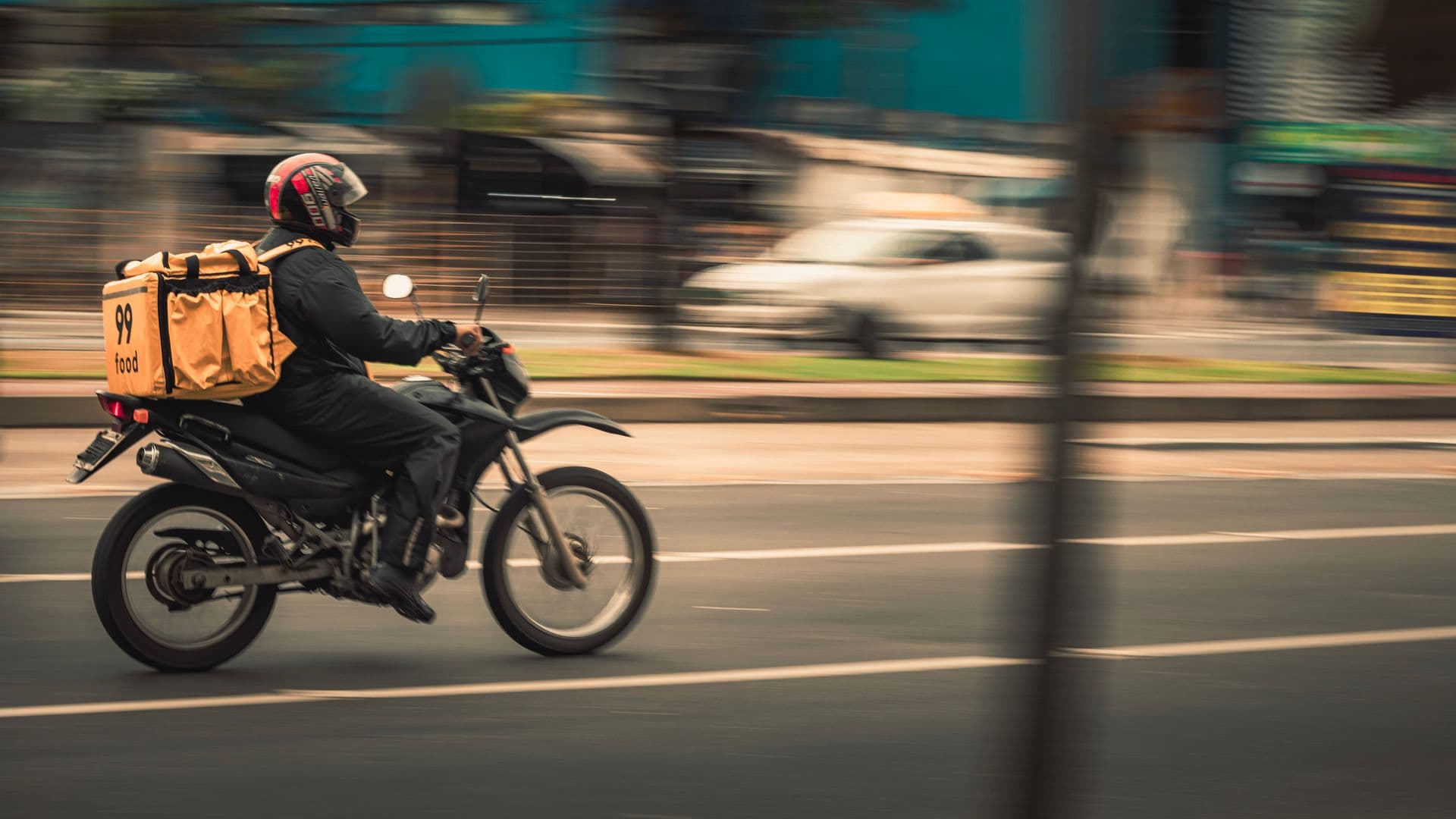
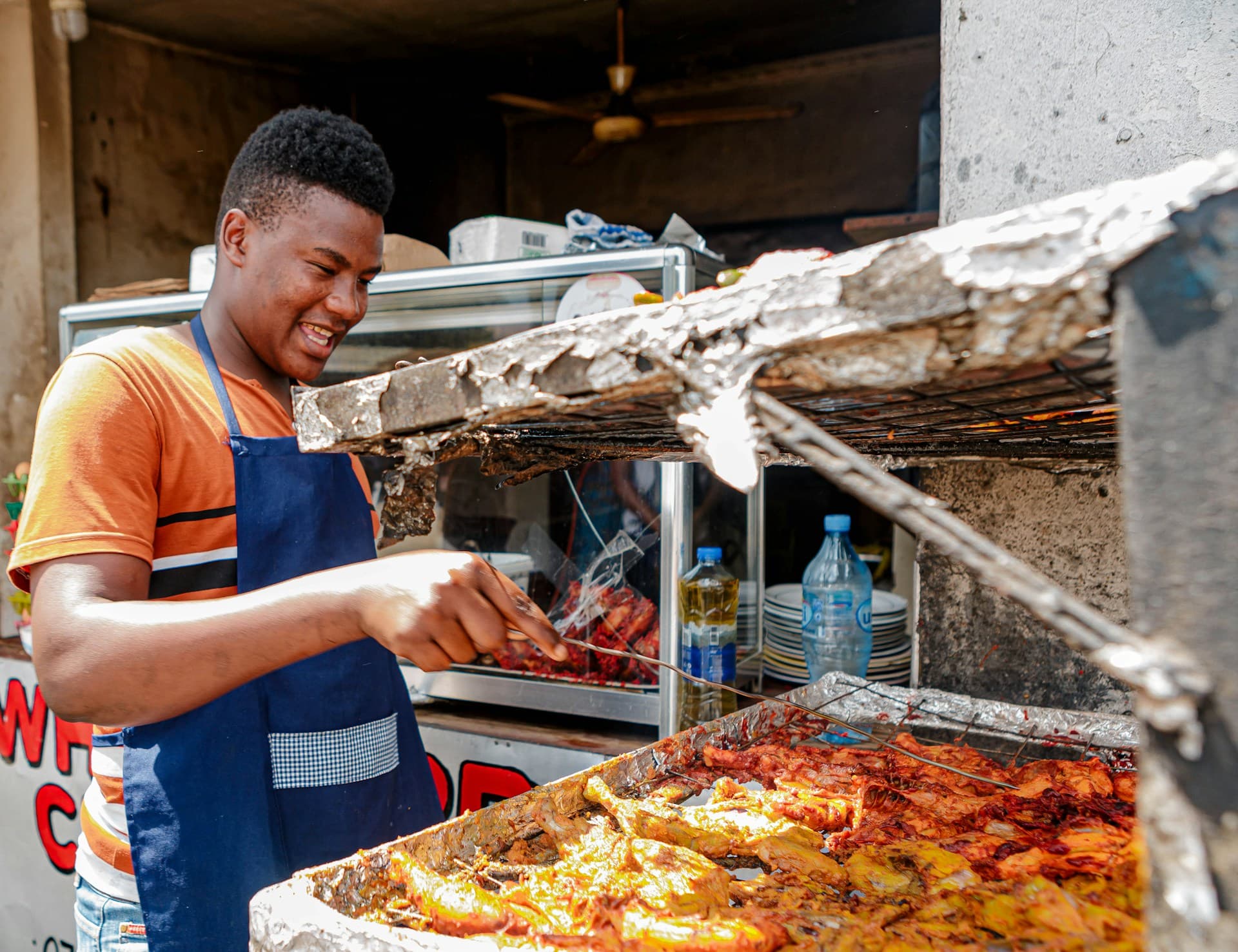
Tanzania's urban food culture has always been vibrant — from the smoky mishkaki stalls lining Kariakoo to the biriyani restaurants tucked inside Ilala's side streets. But for years, accessing this food required physically going out. That is changing fast.
A Market Ready for Disruption
With over 7 million people in Dar es Salaam alone and smartphone penetration growing at double digits annually, the conditions for a thriving food delivery economy are finally in place. Mobile money — led by M-Pesa and Airtel Money — has removed the friction of cash-on-delivery trust issues that historically plagued e-commerce in the region.
"By 2027, online food delivery in Sub-Saharan Africa is projected to exceed $2.5 billion in gross merchandise value. Tanzania is positioned to capture a significant share of that growth.
— Africa Tech Digest, 2024
What Makes Sosika Different
Sosika was built specifically for the Tanzanian context — not adapted from a Western model. Our infrastructure accounts for address ambiguity (most streets lack formal names), variable connectivity, and a restaurant ecosystem that skews heavily toward small, independent operators rather than chains.
The Road Ahead
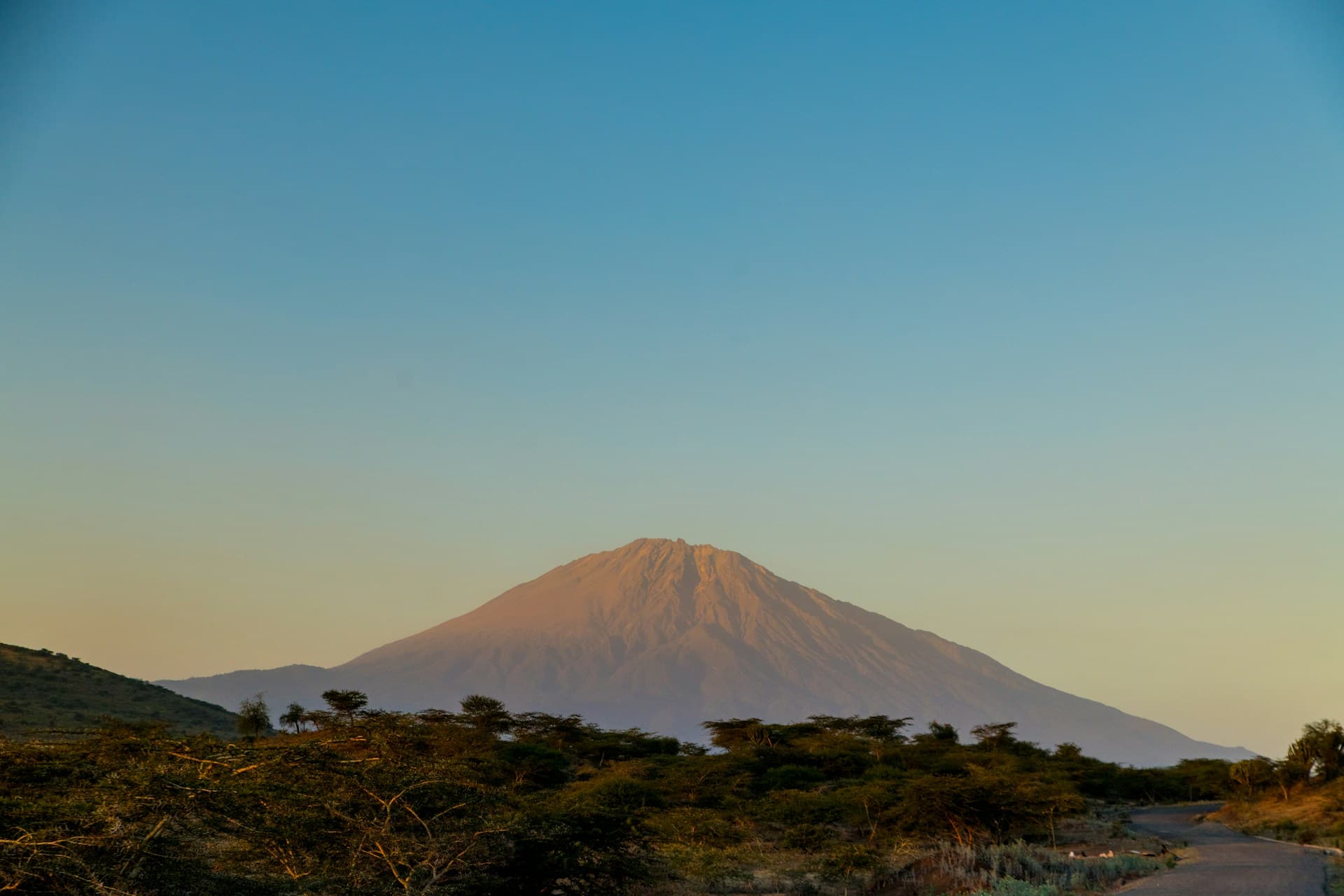
Over the coming months, Sosika will expand beyond Dar es Salaam into Mwanza, Arusha, and Dodoma. Each city has its own food identity — and we intend to honor it rather than homogenize it. The goal is not to replace the local food experience, but to make it more accessible.
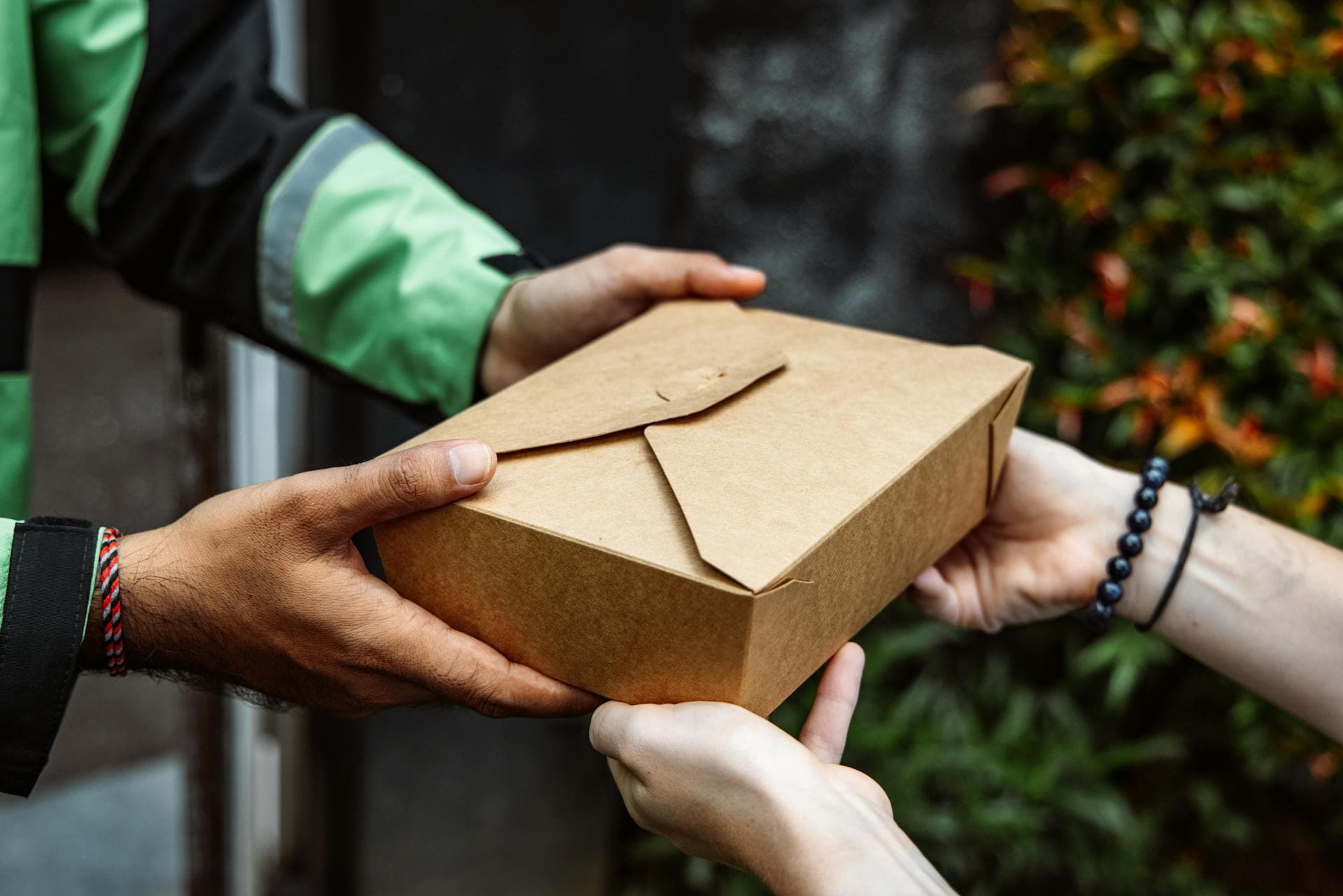
For restaurant partners, this means a broader customer base without the overhead of setting up delivery operations. For customers, it means the pilau from that one place in Kinondoni — the one you always crave at 8pm — delivered hot to your door.